Why The US Government Has GPT-5.6 Access Restricted
Discover why the US Government has GPT-5.6 access restricted to only approved partners, and how this impacts developers in India today.
Right Iam Back with another hot Ai research...Lets dive into it.
For months, the entire tech world has been holding its breath for the release of OpenAI’s GPT-5.6. The rumours were massive: it was supposed to be the smartest, fastest, and most capable Large Language Model ever built. We were all ready to upgrade our workflows, write better code, and test the limits of what Artificial Intelligence could do.
But the release didn't happen for the public. Instead, something unprecedented occurred behind closed doors.
The United States government reportedly intervened in the rollout of GPT-5.6, implementing a massive regulatory crackdown that restricts this powerful model to a very small, highly vetted group of "approved partners."
As an AI researcher and blogger, I immediately started digging into why this happened. What I found is a terrifying new reality: we are entering an era of "Tiered Intelligence," where geopolitical fear is locking the best technology behind government doors, and leaving countries like India at a massive disadvantage
To understand why the US government stepped in, you have to understand a concept called Distillation.
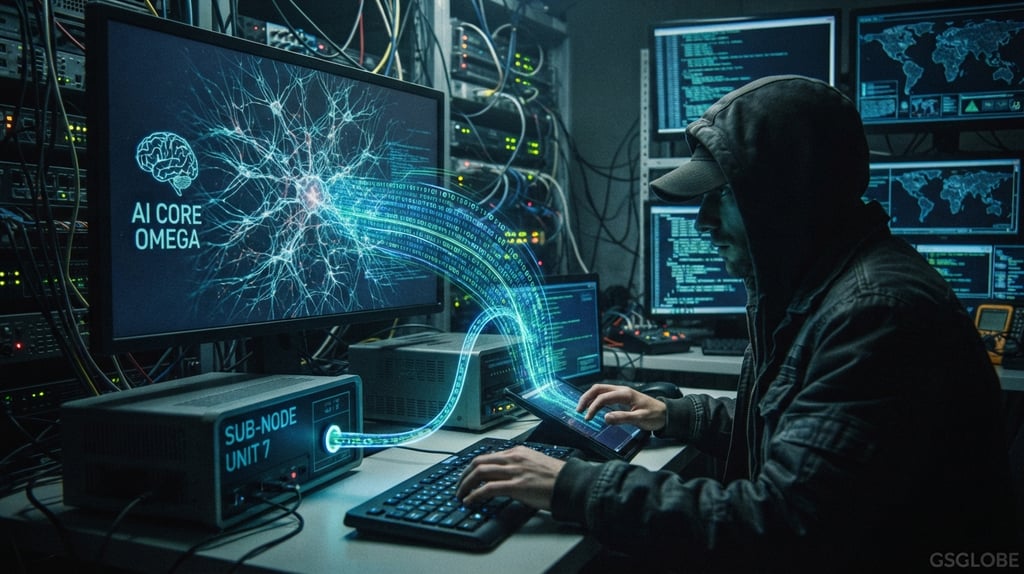
When OpenAI releases a model to the public via an API, anyone in the world can talk to it. The government’s biggest fear is that foreign adversaries—specifically China—are using this public access to clone American AI capabilities.
They do this by asking the API millions of incredibly complex questions and recording the perfect answers. They then take all those perfect answers and use them to train their own, smaller, homegrown AI models. This process (distillation) essentially allows a foreign country to steal the "brainpower" of a multi-billion-dollar American model for a few thousand dollars in API fees.
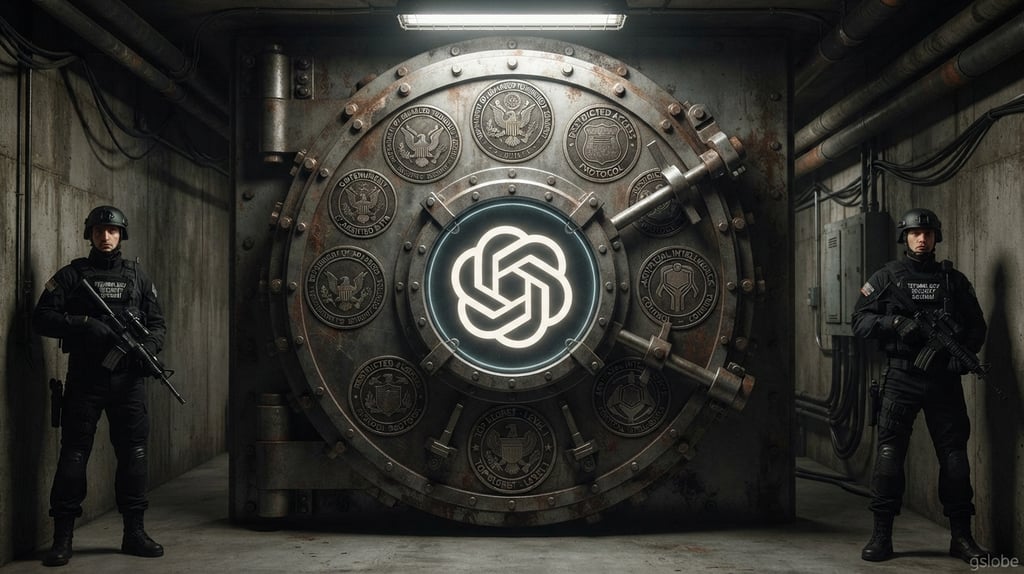
To stop this from happening, the US government has forced OpenAI to put GPT-5.6 under lock and key. If you want access to the absolute cutting edge of AI, you must prove you aren't going to steal it.

While this makes sense for national security, it is a disaster for global innovation.
By implementing these strict security reviews, the government has created a tiered system of intelligence. Major US corporations, defines contractors, and approved partners get access to the "God-tier" AI (GPT-5.6). Meanwhile, the public, independent researchers, and freelance developers are stuck playing with the older, dumber models.
This is a massive problem for OpenAI as well. The primary way AI models get better is through user feedback. When millions of regular people use a model, they find the bugs, stress-test the logic, and provide the data needed to improve it. By blocking public access, the government is cutting off the vital feedback loop that drives domestic American innovation.
The Massive Disadvantage for India
This regulatory crackdown hits developing tech ecosystems incredibly hard.
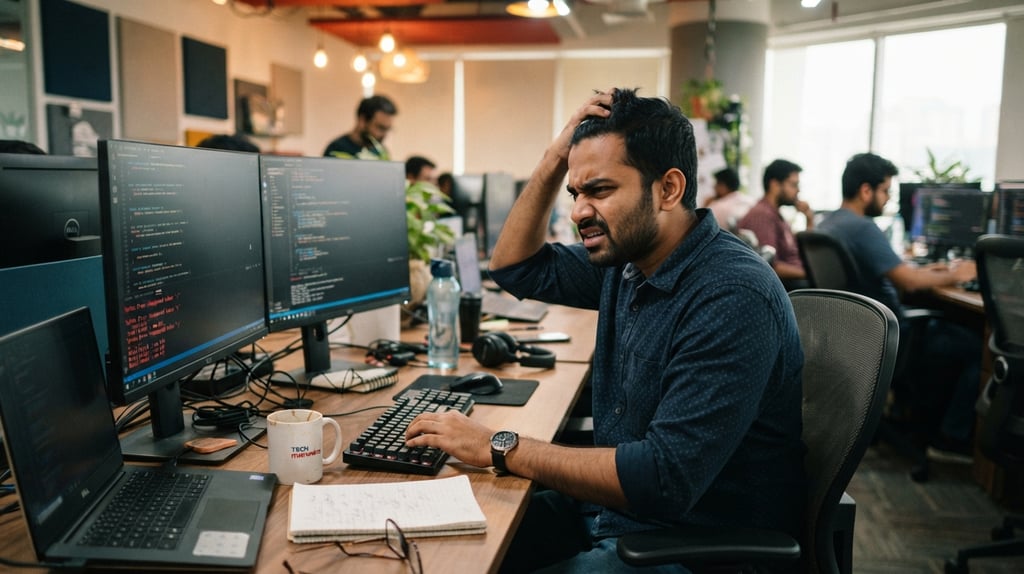
Here in India, our developers and tech startups rely heavily on cutting-edge APIs from American companies to build competitive software. If the US government decides that Indian startups do not qualify as "approved partners," it means our entire industry is forced to rely on outdated, second-tier technology.
How can a tech company in Bangalore compete with a tech company in Silicon Valley if the American company has access to an AI that is ten times smarter? It creates a massive, unfair digital divide. The most advanced tools in human history are now under lock and key, heavily guarded by American politicians

The Open-Source Threat
Ironically, this extreme protectionism might end up hurting the United States more than it helps them.
While America is busy locking up GPT-5.6, international AI labs are moving incredibly fast in the opposite direction. Labs in France (like Mistral) and China (like Qwen and GLM) are continuing to release highly advanced, open-weight models completely for free, without any government constraints.
Because independent developers are being locked out of OpenAI's best tools, they are naturally going to flock to these international open-source alternatives. This strict US regulation is inadvertently providing a massive competitive window for global companies to develop their own "sovereign AI" ecosystems.
If America isn't careful, the rest of the world will simply build around them.
What Do You Think?
We are no longer just dealing with technology; we are dealing with digital geopolitics.
I want to know where you stand on this massive shift in the AI industry:
Do you think the US government is right to protect GPT-5.6 from foreign distillation, or is this just unfair regulatory overreach?
As developers in India, do you think we should focus entirely on open-source models, so we don't get locked out again?
Let's discuss this in the comments below!