Ola Electric LFP Battery: Why Did They Wait So Long?
Ola Electric LFP Battery just got BIS certified in India. Discover the new 46100 battery cell specs and why it took them so long to build it.Read here for more info.
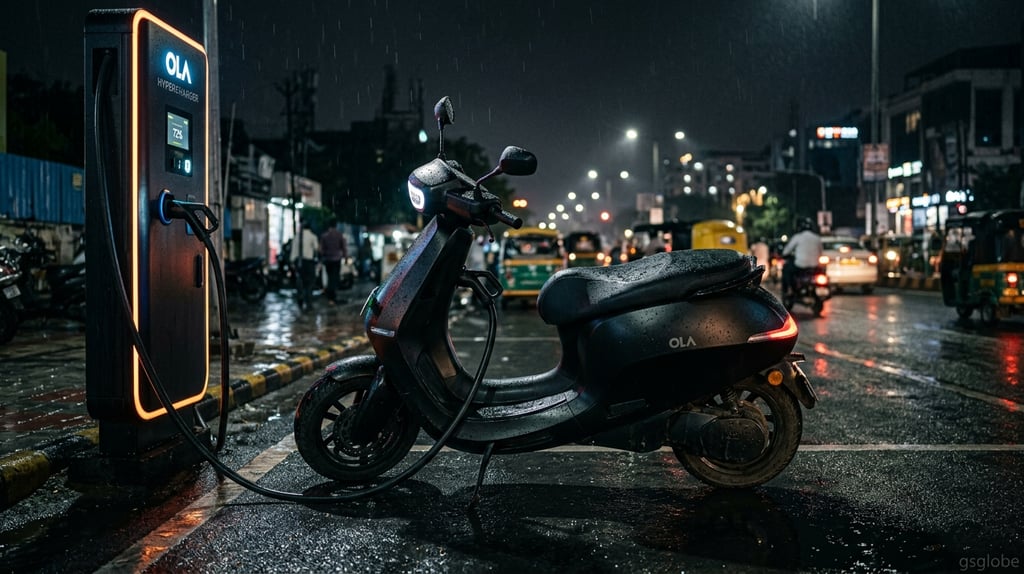
The Bharat Cell Lineup: Complete Independence
What makes this specific 46100 LFP cell so important is where it fits into Ola's grand master plan.
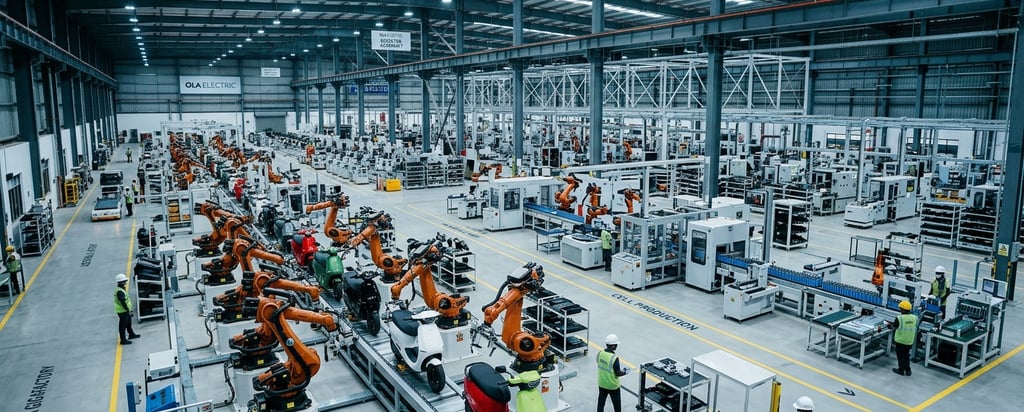
Ola already has their "Bharat Cell" lineup. By successfully adding this new LFP cell to their manufacturing floor, Ola Electric is now capable of producing both NMC (Nickel Manganese Cobalt) and LFP battery technologies completely in-house, entirely in India.
This is massive for energy storage systems. NMC batteries are great for high performance and speed, while LFP batteries are incredibly stable, cheaper, and safer for long-term daily commuting. By controlling the manufacturing of both, Ola no longer has to negotiate with foreign suppliers. They control the entire ecosystem, from the chemicals in the battery to the rubber on the tires.
Sorry guys a small break i have been preparing for my exams so there was no time for the research but iam back.
If you follow the Indian EV space, you already know that Ola Electric is constantly in the news. Between their massive factory announcements, scooter launches, and occasional software bugs, they never really leave the spotlight.
But today, they dropped a piece of news that is genuinely a gamechanger for the entire country: Ola Electric has become the first Indian company to receive BIS certification for its indigenously developed 46100 LFP battery cell.
Now, while this is incredible news for India's tech manufacturing sector, I have to be honest with you guys... they could have done this earlier only, na?
Let's break down exactly what this new battery means, why it is such a big deal for the future of EVs, and why I am slightly annoyed that it took them this long to finally do it.
They Could Have Done This Earlier Only, Na?
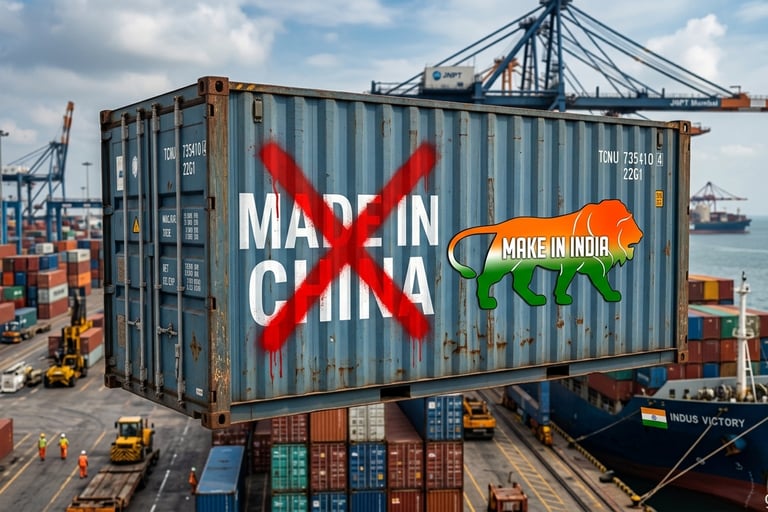
Listen, I am extremely proud that an Indian company is finally building world-class battery cells right here at home. But for the last few years, the entire Indian EV market has been completely dependent on importing battery cells from China and Taiwan.
Ola Electric has always had massive funding and incredible engineering talent. We all knew they were capable of this. So why were they relying on expensive, imported NMC cells for so long? If they had focused their R&D on domestic LFP (Lithium Iron Phosphate) cells two years ago, we could have avoided so many of the supply chain issues and pricing spikes that plagued the early days of Indian EVs.
They clearly had the capability to build this in-house. They just waited. But now that it is finally here, I must admit... the specs are insane.
The Specs: Built to Last
When you build a battery for an electric scooter in India, you are not just building a battery. You are building something that has to survive 45-degree summer heat, terrible pothole-filled roads, and absolute chaos.
Ola didn't just build a basic cell; they built a tank. The 46100 LFP cell passed the extremely stringent BIS safety standards, meaning it had to survive a brutal gauntlet of testing:
Thermal Tests: It didn't explode or degrade under massive heat stress.
Crush & Impact Tests: They literally smashed it to see if it would hold up in a severe traffic accident
Vibration & Short-Circuit: It survived violent shaking (perfect for Indian roads) and electrical surges without catching fire.
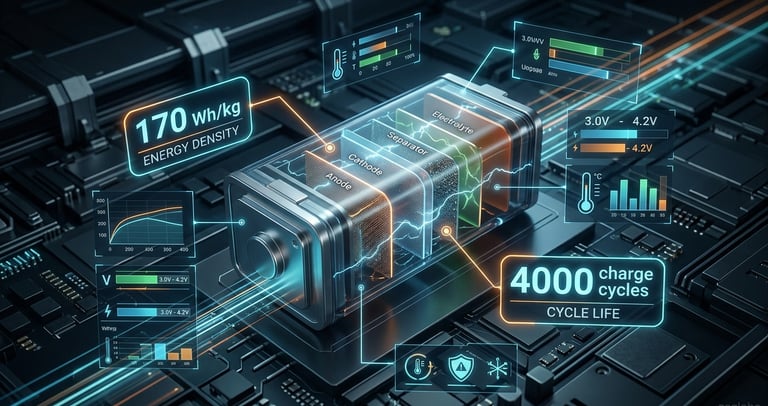
And the performance numbers are just as good as the safety tests. The cell boasts an Energy Density of 170+ Wh/kg, which means it packs a massive amount of range into a relatively light package.
But the most impressive stat is the 4,000+ charge cycles. For the average rider, 4,000 charge cycles basically means the battery will outlive the actual scooter. You could charge this thing every single day for over 10 years, and it would still hold a fantastic charge.

The Bharat Cell Lineup: Complete Independence
What makes this specific 46100 LFP cell so important is where it fits into Ola's grand master plan.
Ola already has their "Bharat Cell" lineup. By successfully adding this new LFP cell to their manufacturing floor, Ola Electric is now capable of producing both NMC (Nickel Manganese Cobalt) and LFP battery technologies completely in-house, entirely in India.
This is massive for energy storage systems. NMC batteries are great for high performance and speed, while LFP batteries are incredibly stable, cheaper, and safer for long-term daily commuting. By controlling the manufacturing of both, Ola no longer has to negotiate with foreign suppliers. They control the entire ecosystem, from the chemicals in the battery to the rubber on the tires.
My Final Takeaway
Yes, I am a bit frustrated that we had to wait this long for a domestic battery revolution. They really could have done this earlier.
But I cannot deny that this is a historic moment for Indian technology. With this BIS certification, Ola Electric has essentially future-proofed their entire EV and energy storage business. They are no longer just a scooter company; they are a hardcore energy technology company.
What do you guys think? Are you happy Ola is finally making batteries in India, or do you also think they took way too long? Let me know in the comments below!