Why Deepinder Goyal Wore a Device on His Head in a Recent Podcast—and Why Doctors Are Divided About It
A recent podcast featuring Deepinder Goyal caught massive attention online—but not just because of what he said. Viewers were more curious about what he was wearing on his head. The unusual device sparked questions across social media: What is that device? Is it safe? Does it really work? And why are some doctors warning against it?
As clips from the podcast spread, the device quickly became a talking point among tech enthusiasts, biohackers, and health experts alike. Let’s break down what’s actually going on—without hype or fear-mongering.
What Is the Device Deepinder Goyal Was Wearing?
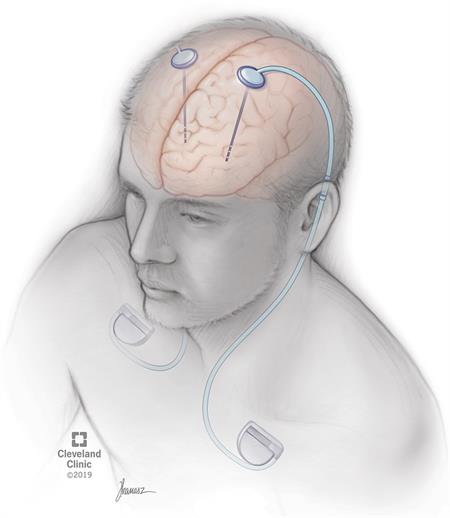
The head-mounted device seen on Deepinder Goyal appears to be a neurostimulation or brain-monitoring wearable. These devices are part of a growing trend in consumer neurotechnology, often marketed for:
Improving focus and concentration
Reducing stress
Enhancing sleep quality
Boosting productivity
Such devices typically work by sending low-level electrical signals or by monitoring brain activity patterns using sensors placed on the scalp.
They are increasingly popular among startup founders, executives, and tech leaders who are interested in biohacking—the idea of optimizing mental and physical performance using technology.
Why Is This Technology Suddenly Popular?
In recent years, wearable technology has moved beyond fitness bands and smartwatches. Brain-focused wearables are the next frontier. The idea is simple: if we can track steps and heart rate, why not brain activity?
For high-pressure roles like startup leadership, mental clarity and focus are seen as competitive advantages. That’s why many tech leaders experiment with tools that promise better cognitive performance.
Deepinder Goyal wearing such a device publicly brought this niche technology into the mainstream conversation.
Why Some Doctors Are Concerned
While these devices are often marketed as safe, medical professionals are not fully aligned on their long-term effects.
Some neurologists and doctors have raised concerns such as:
Lack of large-scale, long-term clinical studies
Overuse without medical supervision
Potential side effects like headaches, fatigue, or sleep disturbance
Self-experimentation without understanding individual brain conditions
Doctors caution that the brain is far more complex than muscles or heart rate. Stimulating it without proper medical guidance could have unintended consequences, especially if used frequently or incorrectly.
Are These Devices Actually Dangerous?
Here’s the balanced truth:
Most consumer neuro-wearables use very low-intensity signals, which are generally considered safe for short-term use. However, “safe” does not automatically mean “beneficial for everyone.”
Medical experts emphasize:
These devices are not medical treatments
They should not replace professional mental health care
Results vary widely from person to person
In other words, while the risk may be low, the benefits are not guaranteed.
The Bigger Issue: Tech Moving Faster Than Medical Science
What this situation really highlights is a larger trend—technology is advancing faster than medical research. Startups can launch consumer brain devices quickly, but scientific validation takes years.
This creates a gap where:
Users experiment based on marketing claims
Influencers normalize usage
Science is still catching up
Deepinder Goyal wearing the device doesn’t automatically mean endorsement or proof of effectiveness—but public visibility does influence perception.
Why This Podcast Moment Matters
This isn’t just about one device or one founder. It reflects how future technology is blending with human biology. Wearable neurotech sits at the intersection of AI, health, productivity, and ethics.
Public discussions like this are important because they encourage:
Awareness instead of blind adoption
Questions instead of assumptions
Responsible use of emerging technology
Should You Try Such a Device?
Experts suggest a cautious approach:
Don’t use brain-stimulation devices daily without guidance
Avoid if you have neurological conditions unless approved by a doctor
Be skeptical of “life-changing” claims
Treat them as experimental tools, not magic solutions
Curiosity is good. Blind trust is not.
Final Thoughts
Deepinder Goyal’s podcast appearance did more than share insights—it unintentionally sparked a serious discussion about how far personal tech experimentation should go. Brain-focused wearables may represent the future, but that future still needs careful regulation, research, and responsibility.
Technology should improve life—not become another risk we adopt without understanding.
As wearable tech moves closer to the human brain, asking tough questions is not fear. It’s intelligence.